
Service Dog
ADA trained service dogs that change daily life, individually matched to your needs and placed with the person who needs them.
As Featured In








What this dog actually is
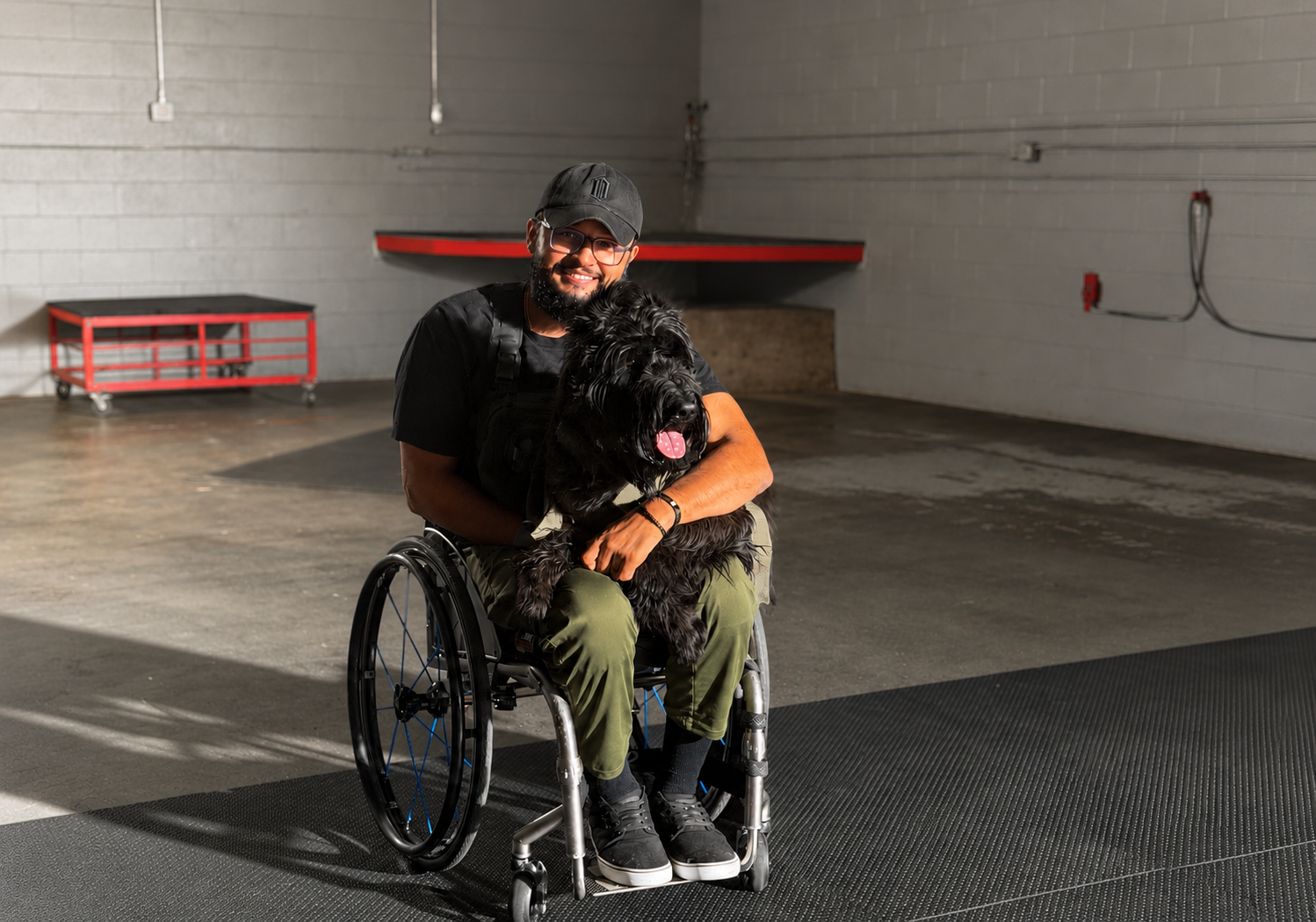
A Delta K9 Academy Service Dog is a highly trained working partner that provides both practical assistance and unwavering companionship. Unlike an emotional support animal or a pet in a vest, our service dogs are trained to perform specific tasks tailored to your individual needs while remaining calm, confident, and focused in public. Every dog is trained for public access and travel, and every placement includes personalized handler training, complete records, and lifetime support.
Contact us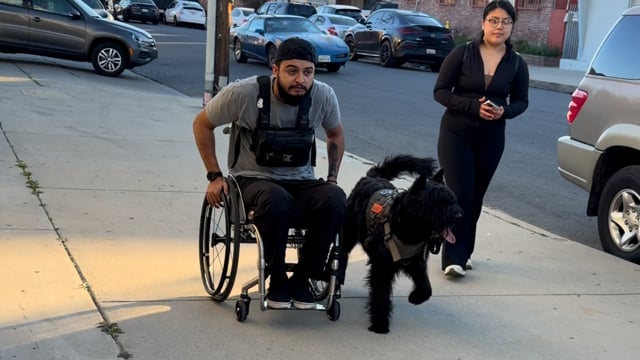
A day in the life
What life with this dog actually looks like.
At home
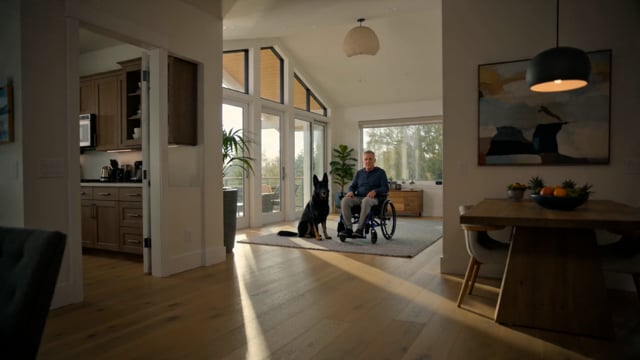
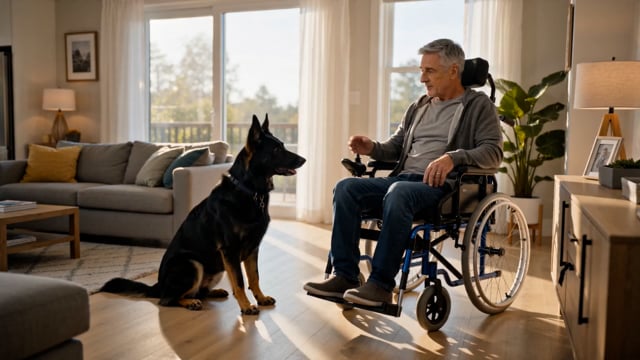
Retrieval of dropped items, medication reminders, deep pressure therapy through an anxiety or pain spike, interrupt behaviors that break a harmful pattern before it builds, and steady, quiet companionship through the hours that are hardest to get through alone.
At home
Retrieval of dropped items, medication reminders, deep pressure therapy through an anxiety or pain spike, interrupt behaviors that break a harmful pattern before it builds, and steady, quiet companionship through the hours that are hardest to get through alone.

In public
Neutral in stores, restaurants, airports, and clinics. Tucked tight under a table or chair, ignoring dropped food, ignoring other dogs, eyes on the handler. A service dog earns its access by being unremarkable in the places a pet never could be.
In public
Neutral in stores, restaurants, airports, and clinics. Tucked tight under a table or chair, ignoring dropped food, ignoring other dogs, eyes on the handler. A service dog earns its access by being unremarkable in the places a pet never could be.
On task
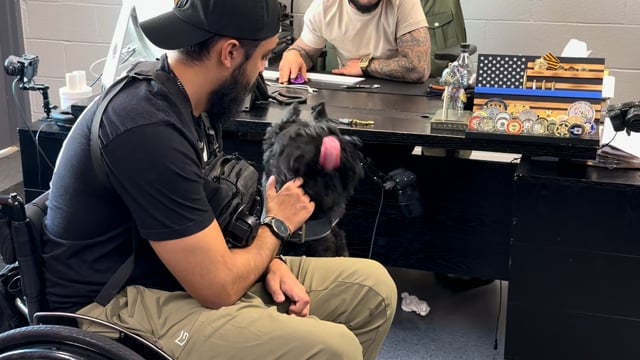
Every dog is task trained to the specific things the handler's disability makes hard, and nothing it isn't.
On task
Every dog is task trained to the specific things the handler's disability makes hard, and nothing it isn't.
Honest tradeoffs
How service dog placements work
These are working dogs placed with the person who needs them, not pets sold to anyone who asks. Expect:
- An intake interview to confirm a dog is the right tool for the job, sometimes the honest answer is that another solution fits better, and we'll tell you
- Custom task training matched to your disability, built for your needs, not pulled from a generic program
- On site handover and public access training, you learn to handle the dog and proof it in real environments before it comes home
- Records and ongoing support, training and task documentation, skill refreshers, and a trainer who stays reachable for the life of the dog
See it for yourself
Come see it for yourself. Tour our facilities, meet the dogs.
Because the moment it clicks, you will understand why nothing else compares.
Common questions
Before you book, you might be wondering…
Is this the same as an emotional support animal?+
No. An emotional support animal provides comfort through its presence and isn't trained to perform tasks. A service dog is individually trained to do specific work that mitigates a disability, and under the ADA, only trained task work qualifies.
Do I keep public access rights?+
Yes. Under the ADA, a trained service dog can accompany its handler into places open to the public. Staff may only ask two things: whether the dog is required because of a disability, and what task it's trained to perform. They can't ask about your diagnosis or demand paperwork.
Will I need certification or registration?+
No, and be cautious of anyone selling it. The ADA does not require service dogs to be certified, registered, or carry an ID, and no national "registry" is official or meaningful. What matters is that the dog is trained to perform tasks for your disability and behaves to public access standards. We provide training and task records that make travel and housing conversations easier, but they're a courtesy, not a legal requirement.
Can a child be the handler?+
For a child, the dog is typically worked with a parent or caregiver as the responsible adult handler, with the child benefiting from the dog's tasks. We train the whole household around the child's specific needs.
How long does it take? Do you have a waitlist?+
Task trained service dogs take real time to do right, and we only take on applicants we're confident we can serve well. You'll get a realistic timeline at intake, not a number designed to get you in the door.
What happens after handover?+
The partnership is supported for life: skill refreshers, recertification, public access tune ups, and a trainer who stays reachable. A service dog is only as reliable as its maintenance.
